Patios · Walkways · Pool decks
Paver patios, walkways & pool decks
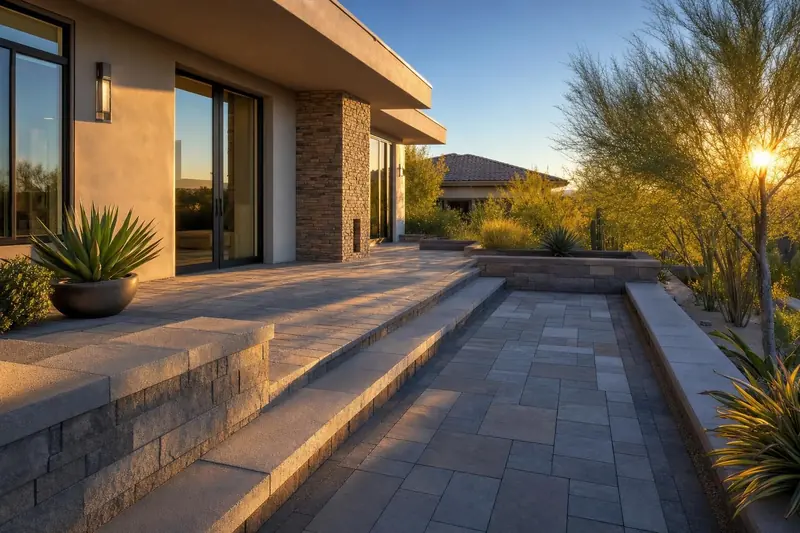
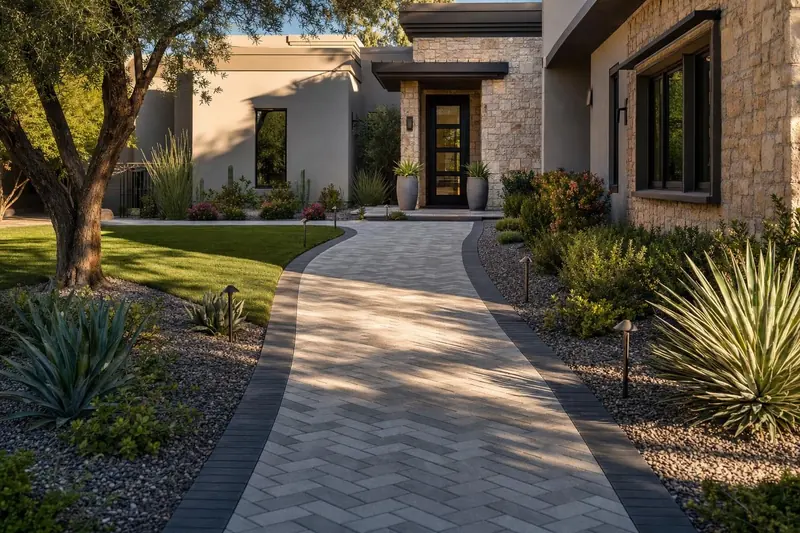
Interlocking pavers on a compacted base, locked in with polymeric sand and a solid border. They flex with the ground instead of cracking, and single stones can be replaced.
What we install
Every job starts with an on-site visit, so the plan fits your yard, your budget and how you use the space.
How we build it
- 01
Excavate
We dig out to depth for patio or driveway use and haul the soil away.
- 02
Build the base
Base rock is compacted in layers, then screeded with about 1″ of bedding sand.
- 03
Lay & cut
Pavers go down in your pattern, border pieces are cut to fit and edge restraints are set.
- 04
Lock it in
We compact the surface and sweep in polymeric sand to lock the joints.
Typical build specs
What goes under the surface decides how long it lasts. These are our typical specs; your quote lists the exact materials for your project.
| Base | 4–6″ compacted base for patios, deeper for driveways |
|---|---|
| Bedding | About 1″ of screeded sand |
| Paver thickness | 60 mm for patios and walks, 80 mm for driveways |
| Joints | Polymeric sand that hardens and resists weeds |
| Edge restraint | Concrete curb or paver edging spiked in place |
| Patterns | Herringbone, running bond, random multi-size |
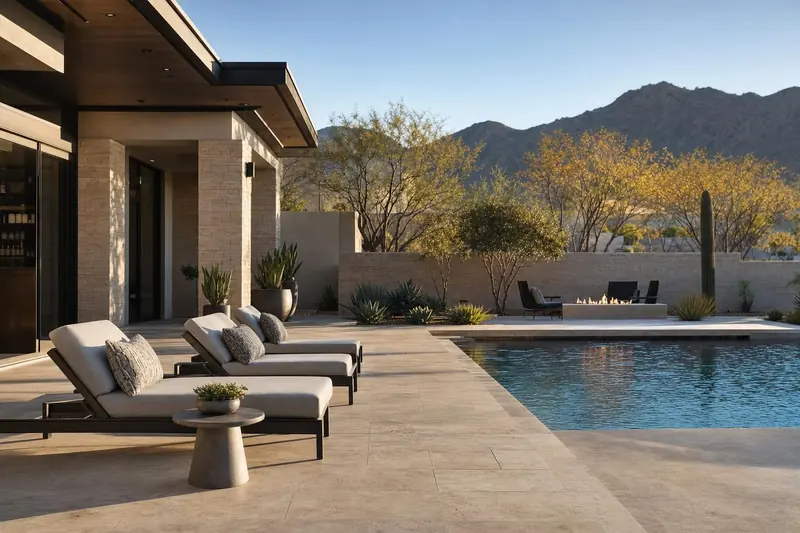
Style ideas
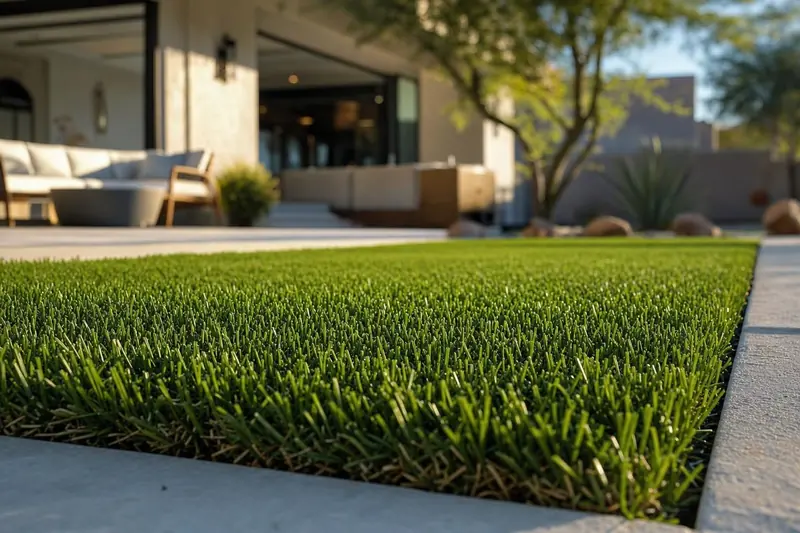
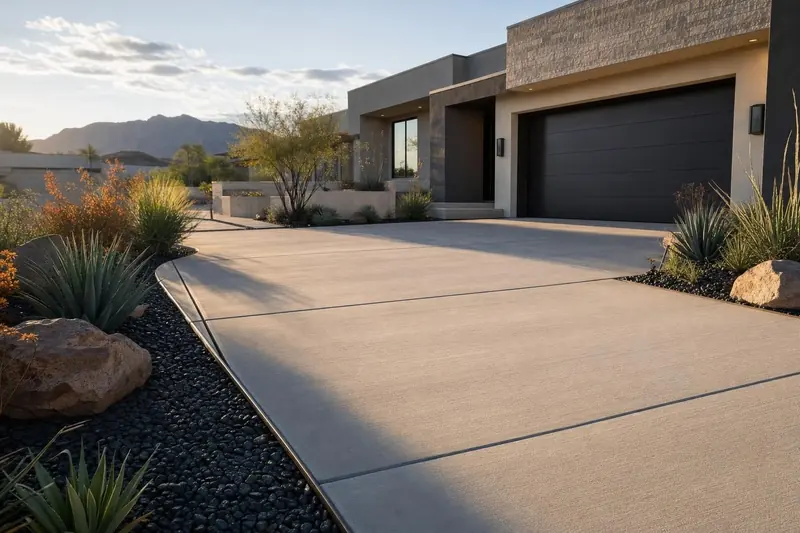
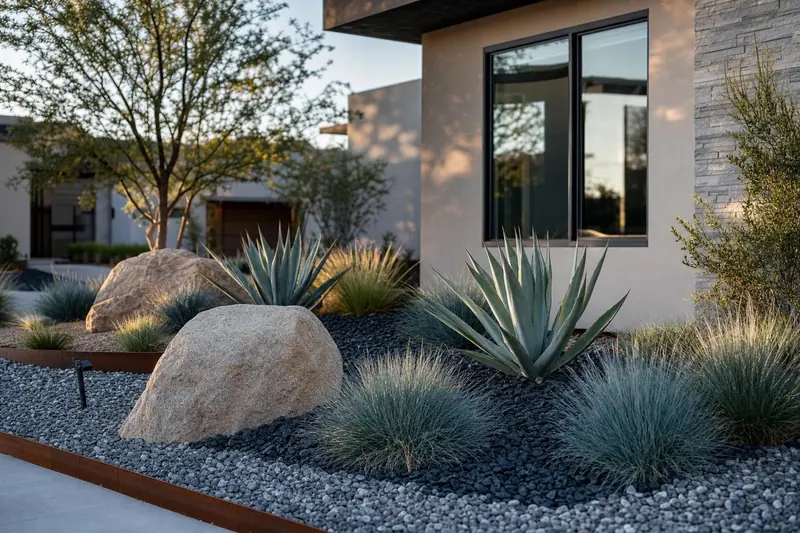
A few looks to get you thinking. Bring photos of anything you like to your estimate.
Common questions
Should I choose pavers or concrete?
Pavers cost more up front but don't crack as a slab, and damaged stones can be swapped out. Concrete costs less and has no joints. We'll price both if you like.
Do weeds grow between pavers?
Polymeric sand hardens in the joints and blocks most weeds and ants. Topping it up every few years keeps it working.
When can I use my new paver patio?
Usually the same day the polymeric sand has set. Avoid heavy rain or hosing it down for the first day.
Should pavers be sealed?
Sealing is optional. It deepens the color and makes stains easier to clean, and it's typically redone every few years.
Get your free pavers estimate
Tell us about your project. We'll call within one business day to set up an on-site visit.
- Call or text(510) 940-3560
- HoursSun–Thu: 7am–8pm
Fri: 7am–3pm
Sat: Closed